sleeping pill
zopiclone online uk
Mental health & wellness
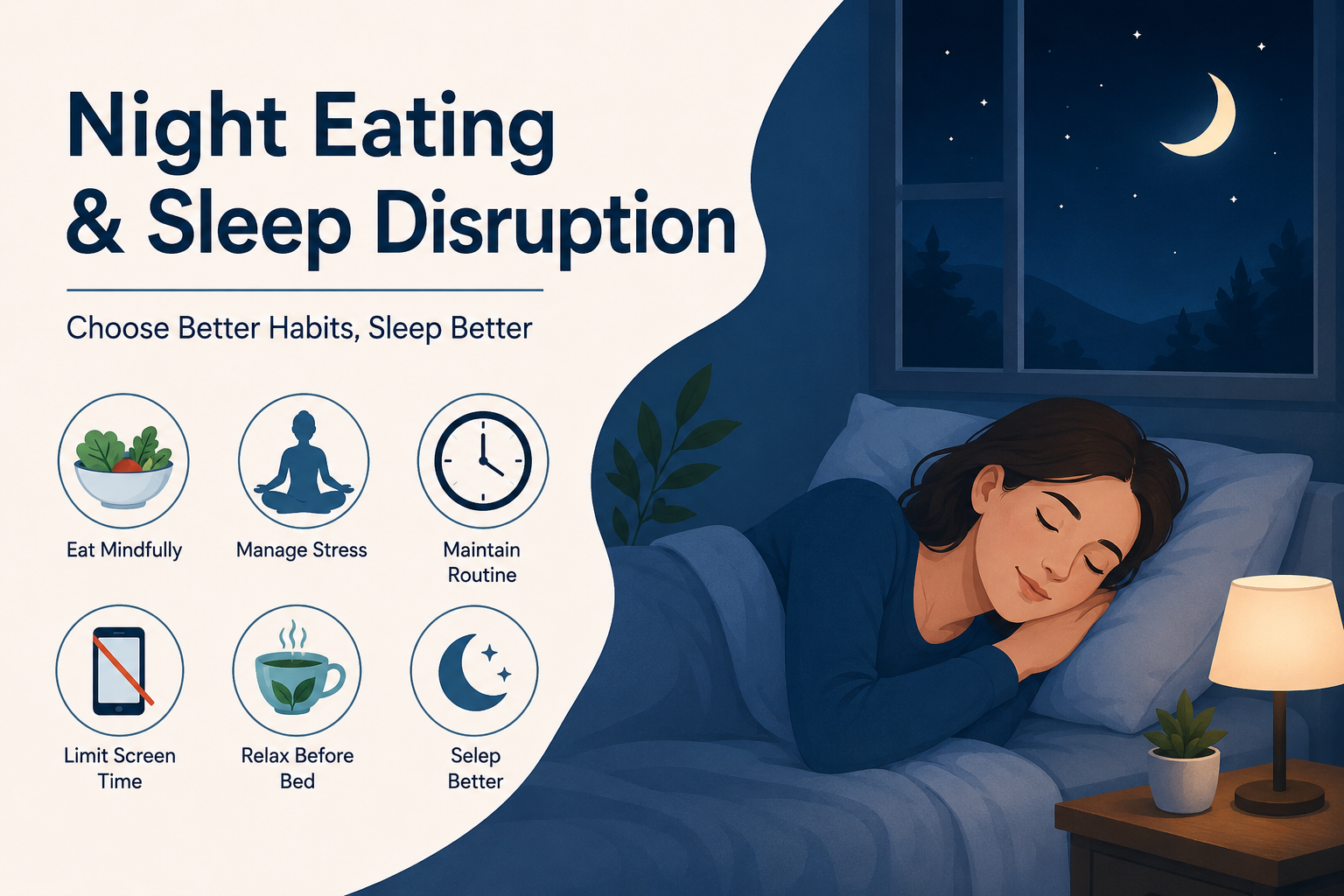

Sleep Solution in the UK is becoming an increasingly important topic as more people experience disrupted sleep patterns linked to night eating habits. Understanding how late-night food consumption affects sleep quality can help individuals make informed lifestyle choices. This guide explores causes, effects, prevention strategies, and practical solutions to improve sleep and overall health naturally.
Night eating and poor sleep often create a cycle that can be difficult to break. Many individuals find themselves waking up during the night with cravings, consuming snacks, and then struggling to return to deep, restorative sleep. Research suggests that eating at inappropriate times can interfere with the body's natural sleep-wake rhythm, affecting both physical and mental well-being.
A healthy sleeping routine depends on several factors, including nutrition, stress management, lifestyle habits, and sleep hygiene. Understanding the relationship between night eating and sleep disruption is essential for anyone seeking long-term improvements in sleep quality.
Night eating refers to consuming meals or snacks close to bedtime or waking during the night specifically to eat. While occasional late-night eating may not cause significant issues, frequent occurrences can negatively affect sleep architecture.
The digestive system remains active when food is consumed late at night. As a result, the body may struggle to enter deeper sleep stages efficiently. Many people experience increased wakefulness, lighter sleep, and reduced sleep satisfaction after consuming heavy meals before bedtime.
Certain foods containing high amounts of sugar, caffeine, or processed ingredients may further stimulate the nervous system, making it harder to achieve uninterrupted sleep.
Several factors contribute to night eating behaviours:
Individuals who skip meals during the day may experience stronger hunger signals during the evening, leading to increased food intake before sleep.
The body operates according to circadian rhythms that regulate sleep, metabolism, and appetite. These biological processes help determine when we feel alert, hungry, or tired.
When eating patterns become inconsistent, the body's internal clock may become disrupted. This disruption can increase cravings during nighttime hours and make restful sleep more difficult.
Hormones such as ghrelin and leptin play important roles in hunger regulation. Sleep deprivation can increase ghrelin levels while decreasing leptin levels, creating stronger hunger sensations and increasing the likelihood of nighttime eating episodes.
This relationship demonstrates how sleep disruption and night eating can reinforce one another, creating an ongoing cycle that affects overall health.
People experiencing night eating-related sleep problems may notice:
Recognising these symptoms early can help individuals take proactive steps toward improving sleep quality.
Managing night eating requires a combination of behavioural adjustments and healthy lifestyle practices.
Eating balanced meals throughout the day helps stabilise blood sugar levels and reduce excessive evening hunger. Consistency supports both metabolic health and healthy sleep patterns.
Stress often contributes to late-night cravings. Relaxation techniques such as meditation, reading, gentle stretching, or breathing exercises can help calm the mind before bed.
Good sleep hygiene includes:
These habits help support natural sleep cycles and reduce nighttime awakenings.
If a light snack is necessary before bed, selecting nutrient-rich options may be beneficial. Foods containing complex carbohydrates and protein may help maintain satiety without placing excessive strain on digestion.
Beyond sleep disruption, frequent night eating may influence various aspects of health.
Potential consequences include:
Over time, chronic sleep disruption may also affect emotional well-being, cognitive performance, and overall quality of life.
Healthcare professionals often recommend addressing lifestyle habits alongside sleep concerns to achieve sustainable improvements.
For individuals experiencing ongoing insomnia symptoms, professional evaluation may be appropriate. Sleep specialists can identify underlying factors contributing to disrupted sleep and recommend personalised management strategies.
Behavioural interventions remain one of the most effective approaches for improving sleep quality. Techniques focusing on sleep scheduling, relaxation, and habit modification often produce positive long-term outcomes.
Some individuals explore treatment options through zopiclone online direct uk services after receiving appropriate medical guidance. However, medication decisions should always be made responsibly and in accordance with healthcare recommendations.
Creating sustainable routines often delivers the most meaningful improvements in sleep quality.
Effective habits include:
These practices support the body's natural ability to regulate sleep and appetite effectively.
Individuals researching options may come across information about Buy Zopiclone Online UK services. While medication can play a role in certain circumstances, lifestyle and behavioural factors remain foundational components of healthy sleep management.
Persistent night eating behaviours and sleep disruption may indicate underlying health concerns requiring professional attention.
Medical professionals can assess:
Seeking expert advice ensures a comprehensive approach tailored to individual needs.
People investigating sleep management options often encounter information related to Zopiclone UK resources while exploring available support pathways. Professional assessment remains the safest starting point for addressing chronic sleep concerns.
Education plays a vital role in improving sleep outcomes. Understanding how nutrition, lifestyle habits, and behavioural patterns affect sleep enables individuals to make informed decisions about their health.
When researching treatment accessibility, many people discover that Purchasing Zopiclone online in the UK is quick, but convenience should never replace appropriate medical evaluation and responsible usage guidance.
A balanced approach combining healthy habits, evidence-based strategies, and professional support offers the strongest foundation for long-term sleep improvement.
Yes. Digestion remains active after eating, which can interfere with the body's ability to enter deeper sleep stages efficiently.
Nighttime hunger may occur due to irregular eating schedules, insufficient daytime nutrition, stress, or disrupted sleep patterns.
Light snacks containing complex carbohydrates and protein are generally easier to digest and may support satiety before sleep.
Research indicates that frequent nighttime eating and insomnia symptoms can influence each other and contribute to sleep disruption.
Individuals experiencing persistent sleep difficulties for several weeks should consider consulting a qualified healthcare professional for assessment.
Sleep Solution in the UK remains an important focus for anyone striving to achieve consistent, restorative sleep. From my perspective as someone who closely follows health and wellness trends, addressing night eating habits is one of the most overlooked steps toward better sleep quality. By improving meal timing, strengthening sleep hygiene, managing stress effectively, and seeking professional guidance when necessary, individuals can create sustainable routines that support healthier sleep patterns and overall well-being for the long term.